How Much to Tip at a Restaurant | Tips & Split Bills Guide
Restaurant Tip Calculator
Calculate your tip quickly and easily
Enter the total bill amount before tip
Select a standard tip percentage or use the slider below
Tip Amount
$20.00
Total Amount
$120.00
Bill + Tip = Total to pay
Share this article
Not sure how much tip to leave at a restaurant? Many diners feel unsure when the bill arrives. Percentages feel confusing, and tipping rules seem different everywhere. Our analysis shows that most people simply want a clear answer without doing mental math or feeling awkward at the table.
This restaurant tip calculator explains restaurant tipping in simple terms. It covers everyday dining, fine restaurants, takeout, and group meals. Based on our findings at tipcalculatorr.com, tipping confusion usually comes from mixed advice and unclear expectations. We break it down so you can tip fairly, confidently, and without stress.
You’ll also see real examples, common situations, and easy ways to calculate tips. Where it helps, we explain how tipping works in the U.S. and how it differs in other countries, similar to tipping guides like how much to tip hairdresser, where clear expectations matter. The goal is simple: help you know what to tip, when to tip, and how to calculate it fast.
What Is the Standard Tip at a Restaurant?
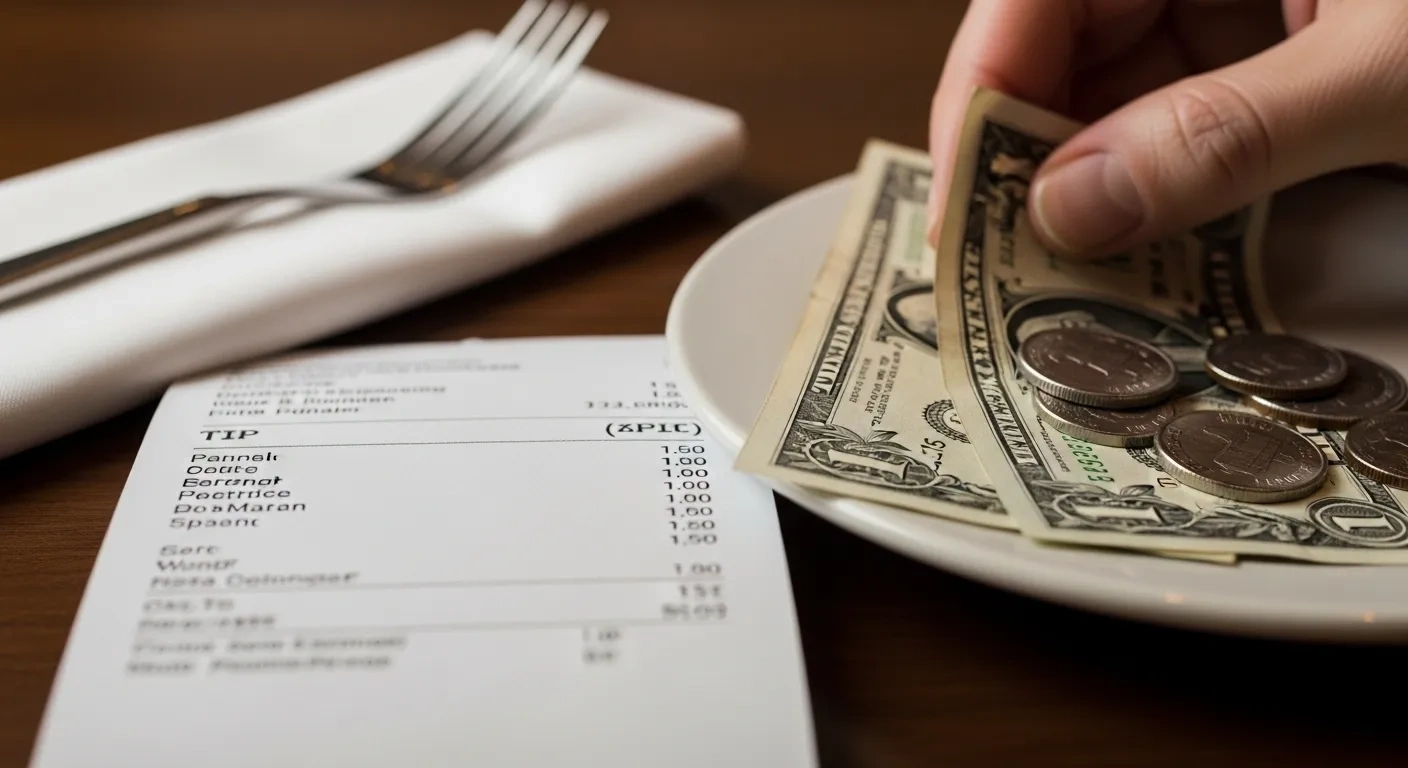
The standard tip at a restaurant usually falls between 15% and 20% of the pre-tax bill. This restaurant tip calculator uses that range. Our analysis shows this range covers most full-service restaurants and matches what servers expect today. A tip near the lower end often signals basic service, while a higher tip reflects strong effort and attention.
For Example:
- Take a $75 pre tax bill. The tip is $11.25 at 15%, $13.50 at 18%, or $15 at 20%.
The average tipping range exists because restaurant staff often earn a lower base wage. Tips make up a large part of their income, similar to service-based roles explained in guides like How much to tip at a nail salon. Based on our findings, most diners follow the same range because it feels fair and socially accepted.
Tipping rates changed over time for simple reasons. Menu prices rose. Living costs increased. Service expectations also grew. Many people now see 20% as normal, not generous.
In short, the standard restaurant tip did not appear randomly. It grew from wage structures, rising costs, and shared social habits tied to how much to tip across service settings. Knowing this helps you tip with confidence instead of guessing.
Restaurant Tip Percentage Explained
Restaurant tip percentages usually follow a simple range. Our analysis shows most diners stay within this range across casual, mid-range, and fine dining restaurants, similar to service-based guides like how much to tip dog groomer. Once you understand the levels, tipping becomes predictable instead of awkward.
Normal Tip Range for Most Restaurants
When using the restaurant tip calculator, most diners start with the standard range. The lower end of the restaurant tip range usually begins at 15% of the pre-tax bill. This level fits basic service where orders arrive correctly, and the experience feels routine. Many diners choose this amount when service meets expectations but does not stand out.
The middle range sits around 18%. This level reflects attentive service, polite interaction, and timely check-ins. Based on our findings, this range has become the most common choice for full-service restaurants in many cities.
The higher end begins at 20% or more. Diners often tip at this level when service feels smooth, friendly, and well-managed. In busy areas and higher-cost regions, 20% now feels like a normal restaurant tip rather than a special reward.
What Counts as a Good Tip vs a Minimum Tip
A minimum tip usually signals that the service was acceptable. The server did their job, handled requests, and avoided mistakes. This level covers fairness without showing strong appreciation.
A good tip reflects effort beyond the basics. The server stays attentive, manages timing well, and creates a comfortable dining experience. Many people feel pressure to tip more because tipping culture has shifted over time. Rising living costs, digital tip screens, and social expectations all influence how diners choose their tip percentage.
Our analysis shows that knowing this difference helps diners tip with intention instead of stress.
Restaurant Tip Calculator for Different Restaurant Types

Not all restaurants work the same way. Our analysis shows tipping expectations change based on service style, staff involvement, and time spent at the table. Knowing these differences helps you tip fairly without overthinking.
Casual & Family Restaurants
At casual and family restaurants, most diners tip 15% to 20% of the pre-tax bill. Service usually includes order taking, refills, and check-ins. Based on our findings, diners lean toward the middle of the range when service feels steady and polite. These places follow the most common restaurant tipping norms.
Fine Dining & Fancy Restaurants
Fine dining usually calls for a higher tip when deciding how much to tip at a restaurant. Many diners tip 18% to 25% when service includes detailed explanations, pacing, and personal attention. Our analysis shows that higher tips feel fair here because staff spend more time per table and manage complex service steps. In these settings, tipping closer to the top of the range feels normal.
Buffets
Buffet tipping works differently. Servers may handle drinks, table clearing, and special requests, but not food service. Most diners tip 10% to 15% in these cases. Based on our findings, tipping reflects table service rather than food selection. A higher tip makes sense if staff stay attentive throughout the meal.
Counter Service & Takeout
Counter service and takeout do not always require a tip. Many diners leave no tip or a small amount, often around 5% to 10%, when staff handle orders quickly and carefully. Our analysis shows tipping here feels optional, not expected. A small tip often reflects appreciation rather than obligation.
Delivery From Restaurants
Restaurant delivery usually follows different rules. Most diners tip at least 15% or a flat amount, whichever feels higher. Extra factors include distance, weather, and stairs. Based on our findings at tipcalculatorr, many diners increase the tip when delivery takes extra effort or time.
Large Groups & Automatic Gratuity
Large groups often trigger automatic gratuity. Restaurants commonly add 15% to 18% to the bill for bigger parties. Our analysis shows you should always check the receipt before adding more. If service feels strong, some diners add a small extra tip. If gratuity is already included, no additional tip is required.
For Example:
- An 18% automatic gratuity on a $200 pre tax bill equals $36. If the receipt includes that $36, any additional tip is optional.
How Much to Tip Based on Service Quality
Diners often change the percentage in a restaurant tip calculator when service quality changes, even if the bill stays the same. Our analysis shows most diners adjust their tip based on how the experience feels, not just the final bill. Understanding these differences helps you tip with confidence and avoid second-guessing.
Average Service
For average service, most diners tip around 15% to 18%. This level fits situations where the server does their job, but nothing stands out. Food arrives on time, orders are correct, and basic needs are met.
Good to Excellent Service
When service feels attentive and well-timed, tipping more feels fair. Many diners move toward 18% to 22% in these cases. This usually happens when the server checks in without hovering, handles requests smoothly, and keeps the experience comfortable. According to Sadia Kokib, higher tips often reflect consistency and care, not just friendliness.
For Example:
- An $80 pre tax bill creates a $14.40 tip at 18% or $17.60 at 22%.
Poor or Bad Service
When service feels slow or careless, diners often pause before tipping. Long delays, missing items, or poor communication can affect the experience. Our analysis shows it helps to first consider whether the issue came from the kitchen or the server.
If problems continue or feel serious, talking to the manager makes sense. This gives the restaurant a chance to fix the issue. Reducing the tip usually makes sense only when service problems remain unresolved. Many diners still leave a small tip to reflect effort, even when the experience falls short.
Do You Tip Before or After Tax?
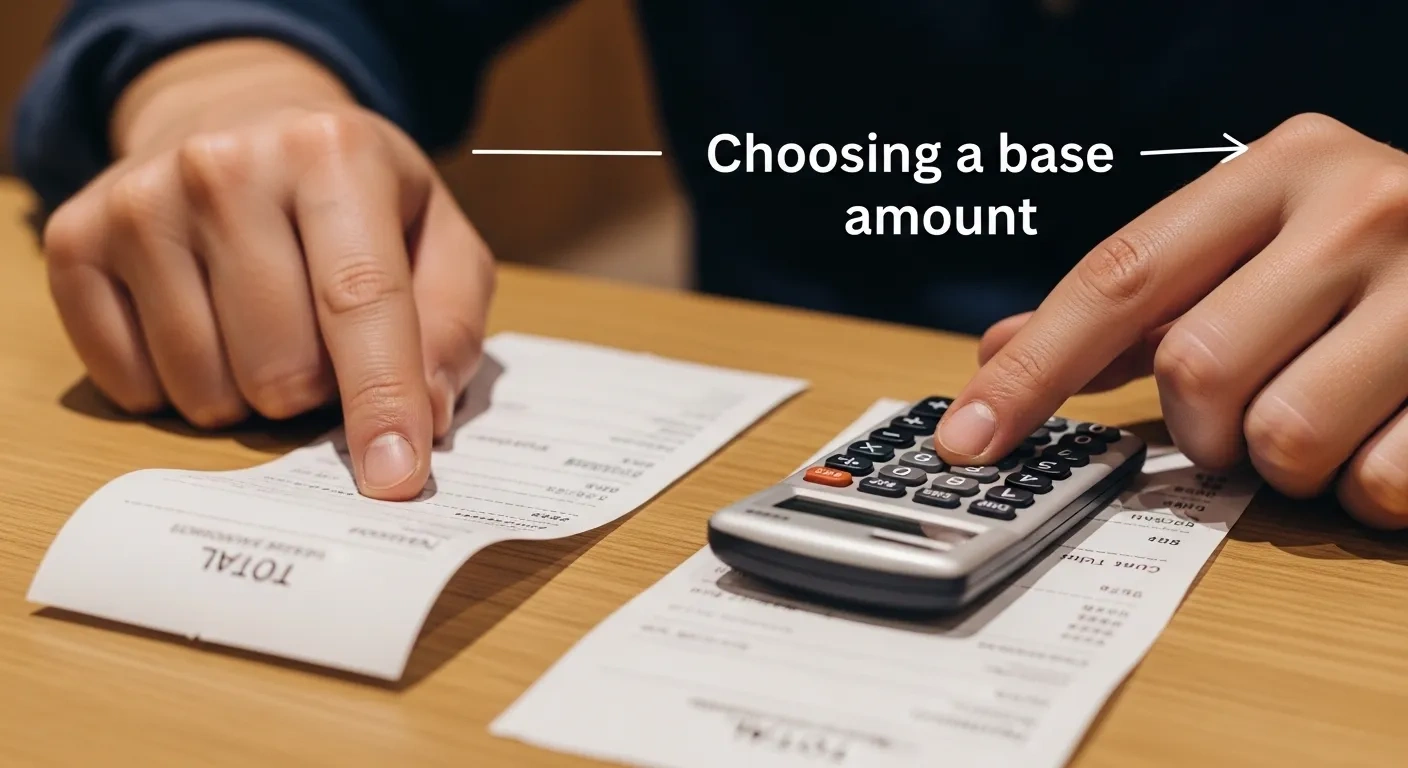
Most diners tip before tax, not after. Our analysis shows this is the most common and widely accepted approach. Tipping on the pre-tax total keeps the tip tied to service, not government charges. This method also keeps tip amounts consistent across states with different tax rates.
People calculate tips differently because many receipts show the total after tax. Some diners simply use the final number to save time. Others follow a habit or copy what the payment screen suggests. Based on our findings, both methods exist, but pre-tax tipping remains the standard in most restaurants.
Most servers expect tips based on the food and service value, not the tax. Tipping before tax meets that expectation and avoids confusion. If you choose to tip after tax, it usually results in a slightly higher tip. That choice feels generous but stays optional. Using a tip calculator helps remove doubt and keeps the process simple.
How to Check Suggested Tips on a Payment Screen
- Some payment screens calculate suggested tips from the after tax total. Check the pre tax subtotal before choosing a preset.
- An $80 subtotal with $8 tax produces a $16 tip at 20%. The same rate on $88 produces $17.60.
- Enter a custom amount when the displayed tip uses a different base.
How to Calculate a Restaurant Tip
Calculating a restaurant tip should feel quick and stress-free. Our analysis shows diners prefer methods that work at the table without slowing the moment. These two options cover most real-world situations.
Simple Mental Math Method
-
Start with 10% of the pre-tax bill by moving the decimal one place to the left
-
Double that amount to reach a 20% restaurant tip
-
Slightly reduce the 20% amount to land near 18%, which many diners choose
-
Works best for round bills and casual dining
-
Helps diners quickly decide how much to tip at a restaurant without formulas or tools
Based on our findings, this method suits people who want speed and flexibility while tipping.
Using a Tip Calculator
-
Enter the bill amount and select a tip percentage
-
Instantly see the exact tip and total
-
Avoids confusion with tax, discounts, or split bills
-
Keeps tipping consistently across restaurants
-
Reduces over-tipping or under-tipping mistakes
Our analysis at tipcalculatorr.com shows tip calculators remove guesswork and ease decision-making. According to Sadia Kokib, calculators help diners feel confident because the math feels fair and transparent. For services that follow similar tipping rules, such as tattoos, many people also check a Tattoo Artist Tip Calculator to estimate the right percentage before paying.
If a rideshare is part of your night out, an Uber tip calculator can help you work out the driver's tip separately from the restaurant bill.
How to Round a Split Restaurant Bill
Calculate and split full tip bill before rounding any per person payment. Suppose four diners owe $93.50 after adding the tip. Dividing the total creates $23.375 per person. Two diners can pay $23.38, while two pay $23.37. These payments total $93.50 without changing the selected tip.
- $23.38 × 2 = $46.76
- $23.37 × 2 = $46.74
- Final total = $93.50
Restaurant Tipping Rules in the USA
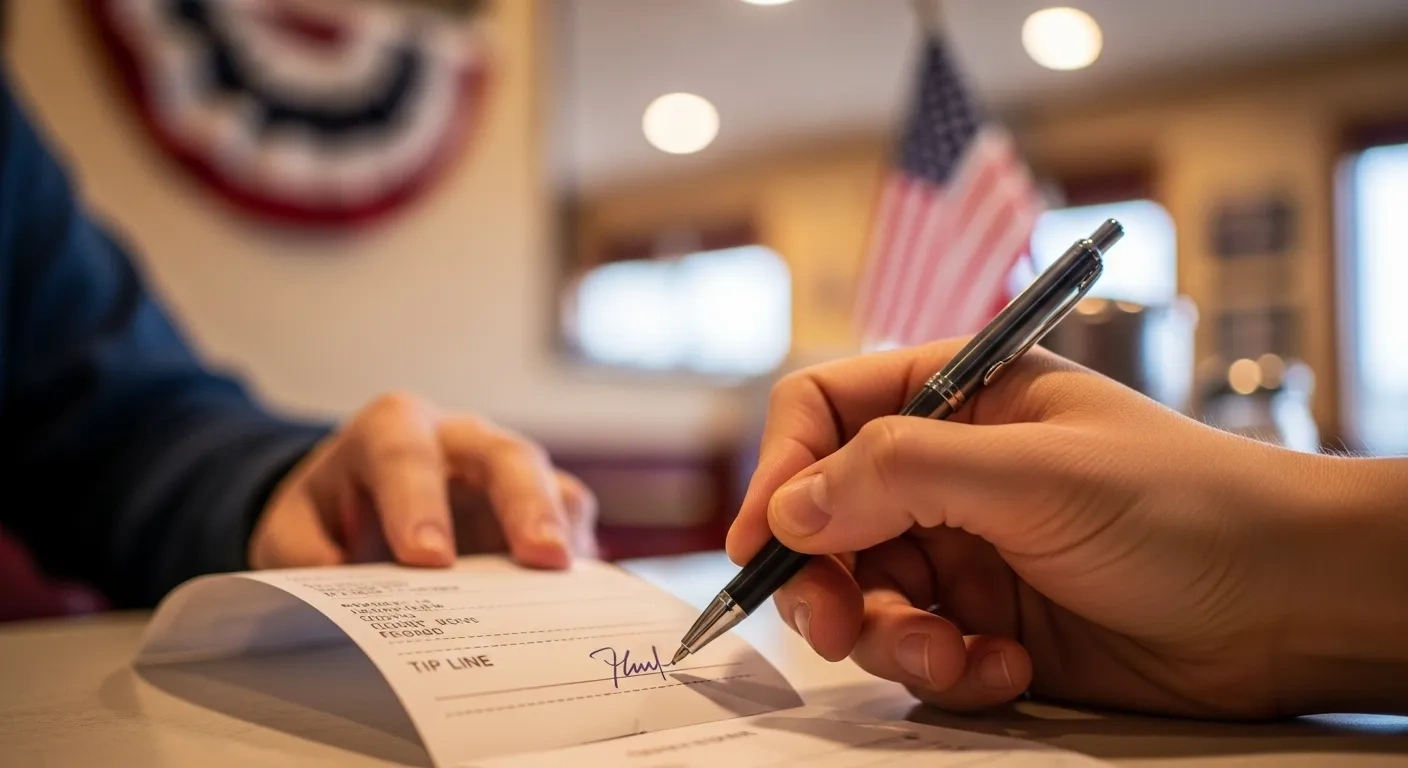
In United States full service restaurants, tipping is customary and socially expected. Customers choose the amount unless the bill includes a mandatory service charge. Many servers rely on tips as part of their income. Leaving no tip can signal dissatisfaction with the service.
U.S. tipping feels confusing to visitors because menu prices do not include service. Many servers earn a lower hourly wage, and tips help close that gap. This system differs from countries where restaurant staff earn a full wage and tipping stays limited or informal.
Tourists often get tipping wrong because the rules are not visible. There is no sign explaining the standard tip rate, and payment screens add to the confusion. Based on our findings, visitors who understand basic U.S. tipping norms avoid under-tipping and uncomfortable situations at the table.
Restaurant Tipping Outside the USA
Tipping rules change outside the United States. Our analysis shows many travelers feel unsure because each country follows its own dining customs. Checking local norms helps avoid over-tipping or awkward moments.
Canada
-
Restaurant tipping in Canada closely matches U.S. norms
-
Most diners tip 15% to 20% at full-service restaurants
-
Servers often rely on tips as part of their income
-
Tipping before tax remains common in many provinces
-
Digital payment screens may suggest tip percentages when deciding how much to tip at a restaurant
Based on our findings, visitors can follow U.S.-style tipping without much adjustment.
UK
-
Tipping in the UK feels more relaxed
-
Many restaurants add a service charge, often 10% to 12.5%
-
If a service charge appears on the bill, no extra tip is required
-
When no charge exists, diners often round up or leave a small tip
-
Tipping large percentages is not expected
Our analysis shows that checking the bill first avoids double tipping.
Asia & Popular Travel Countries
-
Tipping customs vary widely across Asia
-
In some countries, tipping feels uncommon or unnecessary
-
In tourist-heavy areas, small tips may feel appreciated
-
Many restaurants include service fees in the bill
-
Local staff may not expect Western-style tip percentages
Based on our findings, travelers should always check local dining norms before tipping. This avoids confusion and shows respect for regional customs.
Cash Tip vs Card Tip — Does It Matter?
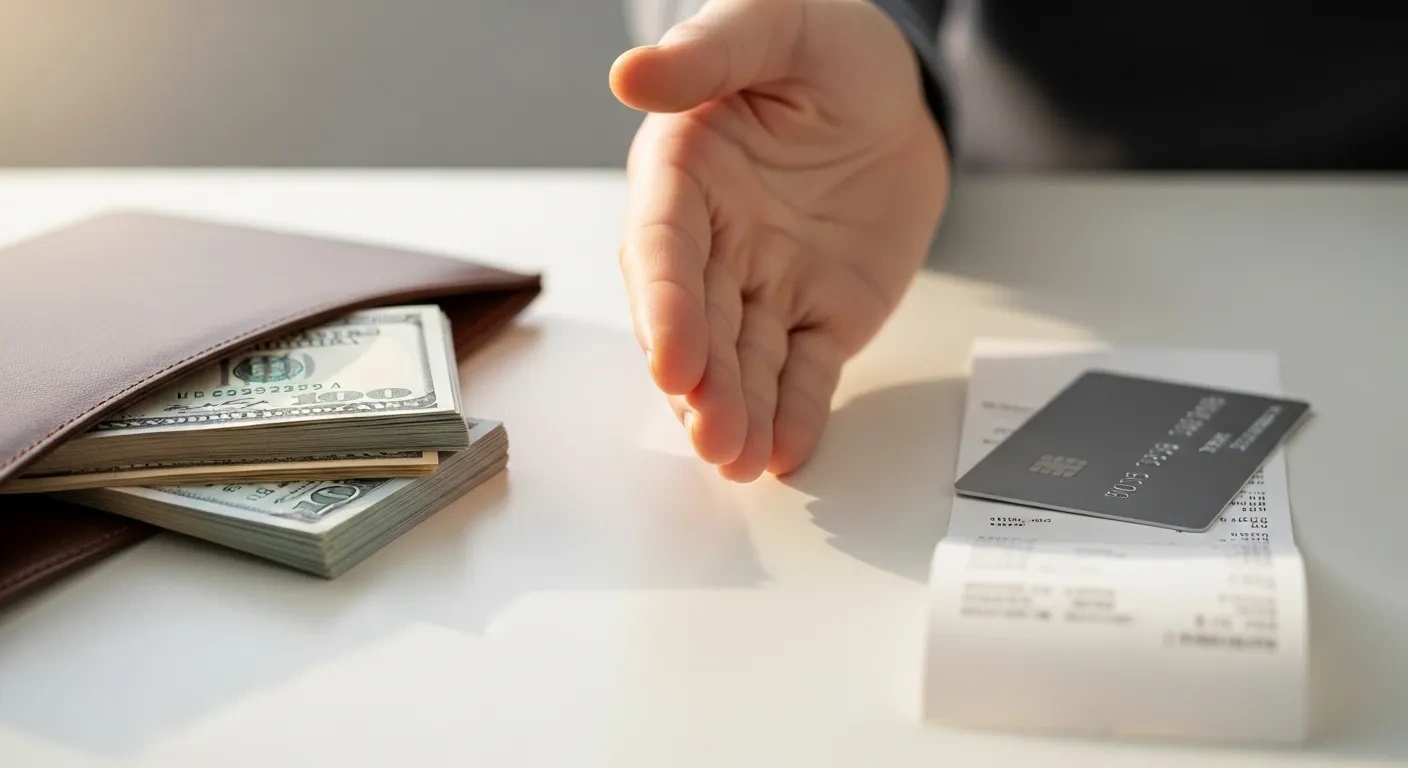
Here’s a clear, quick comparison to help diners choose without confusion. Our analysis shows both options work, but they differ in how tips are handled.
|
Tip Method |
Where the Tip Usually Goes |
What Diners Should Know |
|
Cash Tip |
Often goes directly to the server |
Reaches staff faster and avoids delays |
|
Card Tip |
May enter a tip pool shared with staff |
Still valid and widely accepted |
|
Tip Pooling |
Shared among servers and support staff |
Common in busy restaurants |
|
Processing Time |
Immediate for cash |
Paid later with wages |
|
Best Use Case |
Small restaurants or personal service |
Large restaurants or card payments |
Based on our findings at tipcalculatorr.com, diners do not need to stress over the method. Both cash and card tips support restaurant staff. If you prefer clarity, a glance at the receipt or a polite question helps.
Conclusion of Restaurant Tip Calculator
The Restaurant Tip Calculator makes restaurant tipping easier to understand. Our analysis shows that most diners feel confident when they understand the standard tip range, service expectations, and local tipping norms. Whether you are dining casually, ordering delivery, or eating out while traveling, clear tipping habits help avoid awkward moments. Using a tip calculator makes the process faster, fairer, and stress-free, especially when bills include tax, discounts, or shared payments.
Frequently Asked Questions
A 10% tip usually signals below-average service. Our analysis shows most diners use this level only when service feels slow or careless. In full-service restaurants, 10% often feel low and may not meet server expectations.
Explore More